Commercial Waste Leatherhead: Recycling and Sustainability
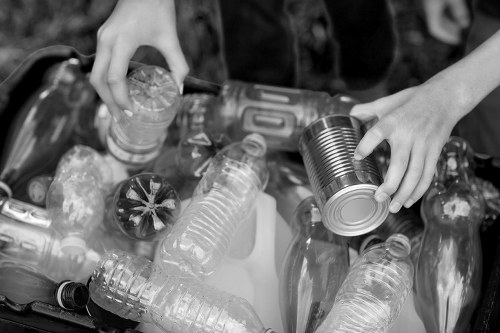 Commercial Waste Leatherhead is committed to creating an eco-friendly waste disposal Leatherhead culture that supports local businesses and the community. Our sustainable approach to commercial rubbish areas focuses on minimising landfill, maximising reuse and recycling, and reducing operational carbon. This page outlines our targets, local infrastructure partnerships, and the practical steps we take every day to make Leatherhead a leading example for greener business waste management. We work with borough and county schemes to align commercial collections with household separation practices where possible.
Many businesses in Leatherhead are adopting the boroughs’ approach to waste separation: segregating dry recycling, mixed food and organic waste, and residual rubbish at the source. By mirroring household separation systems we increase diversion rates and reduce contamination. Our crews provide clear labelling, staff training, and supply clearly marked bins so that office, retail and light industrial sites can easily follow the same recycling streams used by the local council and transfer stations.
Recycling Targets and Performance
We have set a bold recycling percentage target across Leatherhead commercial waste streams: a 70% recycling and reuse rate for non-hazardous business waste by 2029. This target is underpinned by quarterly reviews, waste audits and route optimisation. Why 70%? That level recognises current material markets and the potential increase from better segregation of paper, cardboard, plastics, metals, glass, and organics at source. Achieving it will cut overall emissions and save businesses on disposal costs.Local Transfer Stations and Hubs
We partner with nearby transfer stations and recycling hubs across Surrey and the Mole Valley borough, ensuring collected materials are taken to the most appropriate facility for sorting, recovery or energy from waste. Local transfer stations process commercial loads for onward transport to materials recovery facilities (MRFs), composting sites, and specialist recyclers for mattresses, timber and construction waste. These local links shorten haul distances and lower carbon intensity compared with long-haul consignments.Our coordination with hubs means businesses benefit from consolidated collections, less vehicle movement and reduced emissions. We also schedule mixed loads carefully so that recyclable materials go straight to MRFs while organic waste is directed to permitted anaerobic digestion or composting partners, improving overall material yield and reducing contamination.
 Partnerships with Charities and Reuse OrganisationsWorking with local and regional charities is central to our reuse strategy. We collaborate with furniture reuse charities, clothing banks and community-based social enterprises that accept commercial donations of surplus furniture, unsold stock and usable office equipment. These partnerships ensure items that can be refurbished and sold locally avoid recycling streams and instead find new life, supporting local employment and social value.
Through scheduled charity pickups and ad-hoc collections, businesses can divert bulky items from the waste stream and generate positive social outcomes. Our commercial reuse programme also links with accredited reuse centres and national networks to ensure appropriate assessment, repair and redistribution. Where repair isn’t viable, we route materials to specialist recyclers for metal, wood, and plastics recovery to maximise resource efficiency.
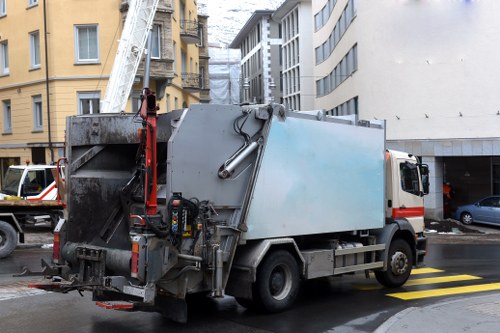
Low-Carbon Fleet and Route EfficiencyOur fleet includes low-carbon vans and trucks: electric medium vans for inner-town collections, hybrid crews and increasingly low-emission rigid vehicles for heavier loads. Vehicle telematics and route optimisation software reduce mileage and idling, lowering emissions. We monitor fuel and energy usage closely and set annual reduction targets for our transport operations to support Leatherhead’s wider sustainability ambitions.
 Practical Recycling Activities in the AreaCommercial recycling in Leatherhead typically covers paper and cardboard, commingled containers, glass, batteries, small WEEE items, pallet wood and palletised cardboard, and separate food and garden waste where premises generate organic material. Construction and demolition sites use segregated skips and dedicated handlers to ensure timber, metals, and inert materials are recovered. Offices are encouraged to adopt centralised recycling points and clear bin signage to reduce cross-contamination.
Sustainable Rubbish Areas and Business Support
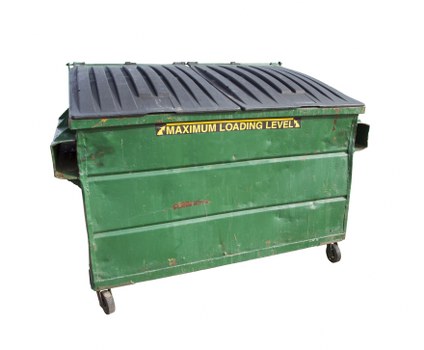
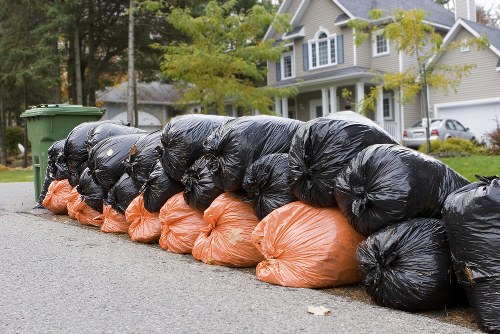
We help design sustainable rubbish areas for commercial estates and retail parks — from secure, weatherproof enclosures with segregation bays to compacting solutions that reduce collection frequency. These improvements lower visual impact and improve hygiene while supporting greater recycling capture. Our services include:- Site waste assessments and segregation planning
- Provision of labelled containers and liners for specific streams
- Scheduled collections tailored to operational peaks
- Integration with charity pickup schedules and reuse routes
Measuring Progress and Continuous Improvement
We report recycling rates and diversion metrics to clients so progress against the 70% target is transparent. Regular audits identify contamination hotspots and training needs. Continuous improvement is driven by technology, material market changes and collaboration with local authorities. By sharing performance data with partners, including transfer stations and reuse organisations, we refine collection mixes and invest in infrastructure where it has the most impact.In sum, Leatherhead’s approach to commercial waste management emphasises practical, measurable steps that create a sustainable rubbish area and an eco-friendly waste disposal Leatherhead network. By combining ambitious recycling targets, strong local partnerships, and a low-carbon vehicle fleet, businesses can reduce costs, meet regulatory expectations, and contribute to a circular, low-carbon local economy.
