Complaints Procedure for Commercial Waste Leatherhead
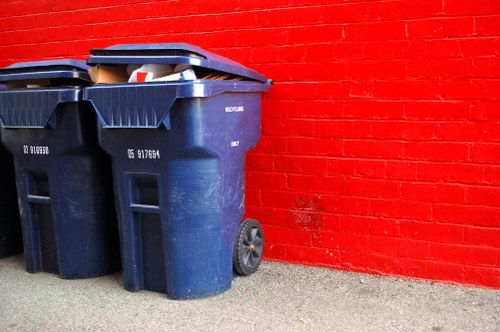 Purpose and scope. This complaints procedure explains how businesses can raise concerns about commercial waste services, including commercial rubbish collection and business waste management in Leatherhead and surrounding service areas. It applies to all commercial waste contracts, skip services, trade recycling and scheduled collections provided by the company for commercial premises. The aim is to resolve issues quickly, fairly and transparently while promoting continuous improvement across our commercial waste operations.
Who may complain and what counts. Any authorised representative of a business that receives commercial waste services can submit a complaint about the quality, timeliness, safety or compliance of the service. Issues may include missed collections, contamination handling, incorrect billing related to waste removal, or health and safety concerns arising from commercial rubbish handling. This policy does not cover general enquiries or requests for new services, which should be directed through routine service channels.
How to submit a complaint
Complaints should be made as soon as possible and include a clear description of the problem, relevant service reference numbers and dates. When providing details, include the business name, service type (for example commercial waste collection or trade rubbish removal), and the preferred outcome. Complaints can be lodged in writing; the organisation will log each complaint and issue an acknowledgement within the stated target times below.Acknowledgement and initial response
On receipt, each complaint is entered into the complaints register and assigned a unique reference. An acknowledgement is issued within 3 working days, confirming the complaint details, the assigned handler and an expected timescale for the first update. Simple issues may be resolved at this stage; complex matters will proceed to a formal investigation. The company aims to keep the complainant informed at every stage.
Investigation process. The complaint handler will investigate the circumstances, review records, speak to staff or third-party contractors involved in the commercial rubbish collection or waste management activity, and, where necessary, inspect the site. Investigations seek to identify root causes, whether operational, administrative or contractual, and to determine corrective actions to prevent recurrence.

Timescales and updates
The target for a full response after the initial acknowledgement is 15 working days. If further time is required due to complexity, the complainant will receive written notification explaining the delay and a revised timescale. Interim updates are provided at reasonable intervals until the matter is closed.Possible outcomes and remedies. Outcomes may include: a formal apology, corrective operational action (for example extra or rescheduled collections), process changes, training for staff, or billing adjustments where appropriate. Remedies are proportionate to the issue and consistent with contractual terms. Where compliance or safety breaches are found, the company will take immediate steps to mitigate risk.
Escalation procedure. If a complainant is not satisfied with the outcome, they may request an internal review. The escalation will be handled by a senior manager who was not involved in the original investigation. The request for escalation should state reasons for dissatisfaction and any new evidence. The senior review aims to conclude within a further 15 working days.
Record keeping and confidentiality. All complaints are recorded and retained to support service improvement, regulatory compliance and auditing. Records include the complaint details, investigation notes, correspondence and remedial actions. The company treats complaint information as confidential and shares it only with those directly involved in the investigation or where required by law. Customer privacy is respected at all times.
Continuous improvement and learning
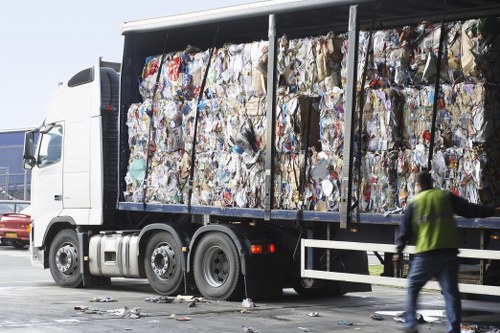
Complaint data is analysed regularly to identify recurring themes in trade waste operations, vehicle scheduling, recycling procedures, and customer communication. Findings inform operational adjustments, staff training and supplier performance reviews. The objective is to improve the reliability of commercial waste services and reduce the likelihood of similar complaints in the future.Service standards and performance monitoring. Performance metrics related to commercial rubbish collection—such as punctuality, missed collection rates and contamination incidents—are monitored and reported internally. When standards fall short, targeted actions are taken and documented within the complaints closure notes to ensure accountability and transparency.
 Closure and feedback on the process. Once a complaint is resolved, the complainant receives a formal closure letter that summarises the findings, actions taken and any agreed remedial measures. Closure is not an admission of liability but a confirmation that the matter has been addressed. The company periodically reviews complaints handling performance to ensure compliance with policy, improve customer experience and strengthen commercial waste services across its service area.
Independent review and regulatory options. If a complainant remains dissatisfied after exhausting the internal escalation process, they may seek an independent review from an appropriate industry ombudsman or regulator where applicable. The complaints policy outlines internal steps and encourages resolution at the earliest stage, while preserving the right to pursue external remedies when relevant to the contractual or regulatory context.
Roles and responsibilities. Managers are accountable for ensuring complaints are handled in line with this procedure; staff must cooperate with investigations and implement corrective actions promptly. All employees engaged in commercial waste operations are expected to be aware of the complaints policy and to assist in delivering consistent, compliant services to business customers.
Review of this procedure. This complaints procedure is reviewed periodically to ensure it remains effective and aligned with evolving service requirements and regulatory standards for commercial waste management. Changes are approved by senior management and communicated internally to maintain high standards across rubbish collection, trade recycling and business waste services.
