Commercial Waste in Leatherhead
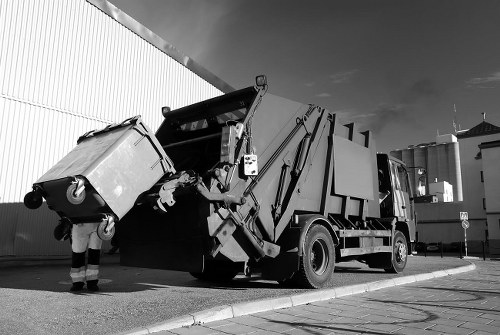
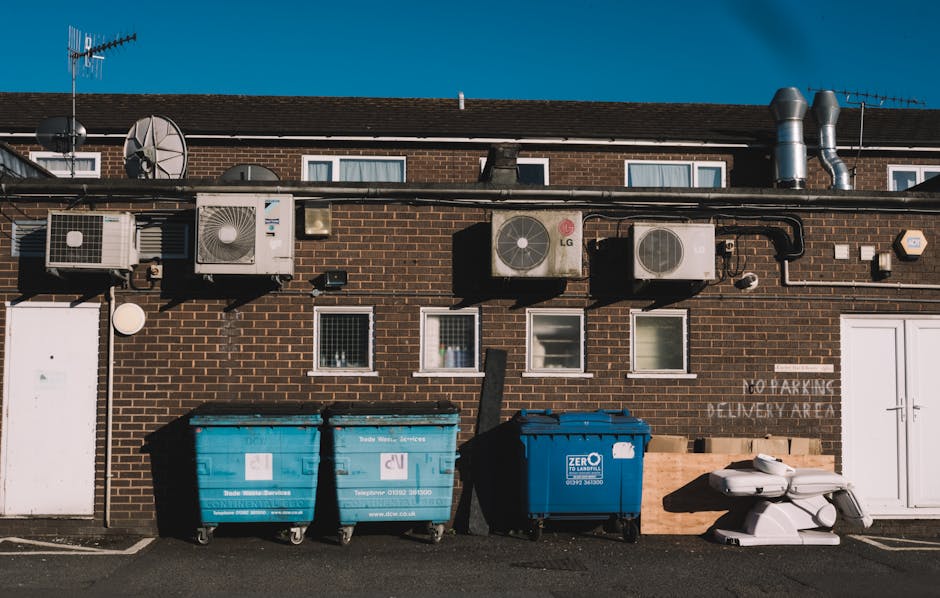
Commercial waste in Leatherhead needs a service that is straightforward, dependable and suited to the type of material a business produces. We provide removal for everyday trade waste, office contents, unwanted fixtures and other non-domestic materials that need clearing in a controlled way. The emphasis is on practical collection, clear communication and handling items so they can move from your premises to the right route for sorting, recycling or disposal.
Our service is designed for businesses that want waste taken away without turning the process into a disruption. We can help with regular commercial waste removal, one-off clearances, and the lifting of bulky items that are awkward to move internally. If you are comparing options, look at the service details below and request a quotation when you are ready.
The right approach depends on what is being removed, where it is stored and how it leaves the building. Light office waste, mixed bags, redundant furniture and strip-out materials often require different handling, so we work with the load rather than assuming one method fits all. For a clearer idea of scope, see our business waste removal and office clearance pages for the main commercial categories we handle.
Business waste removal for ongoing and one-off needs
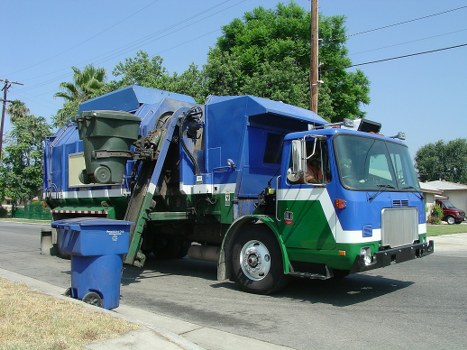 Business waste removal covers the routine material a company accumulates through daily activity, along with occasional clearances after a move, refresh or storage tidy-up. That can include bagged refuse, packaging, paper, obsolete stock, light fixtures and mixed office or back-of-house waste. A sensible plan keeps the collection method matched to the premises, the volume and the access available, rather than relying on a generic solution that may be awkward on the day.
Commercial waste can also vary by department. Retail stores, small workshops, clinics, hospitality premises and managed offices all produce different combinations of items, and each may need separating before collection. Our approach is to keep the process organised so the material can be moved efficiently, with attention to loading, segregation and the way items are prepared for transfer. If you need to understand how charges may be shaped, our pricing and quotes page outlines the sort of factors that influence a quotation.
Good preparation makes the collection smoother, but it does not need to be complicated. If possible, group similar items together, keep anything sensitive or confidential separate, and let us know whether access involves stairs, shared corridors or loading restrictions. Those details help a quotation reflect the practical side of the work. Clear access information is often just as useful as the volume itself when planning commercial waste removal.
Office clearance and furniture disposal

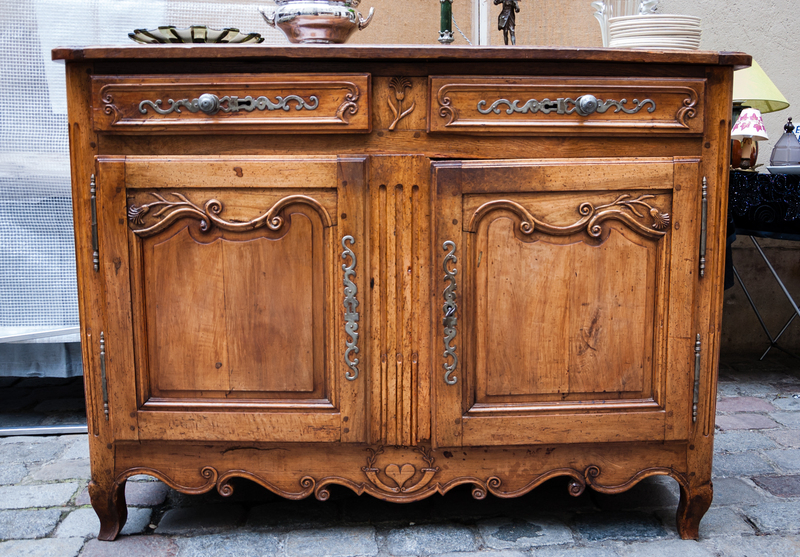
Office clearance is about removing what a workplace no longer needs while keeping the process orderly around desks, storage, meeting rooms and communal areas. That can include filing cabinets, chairs, tables, shelving, screens, small appliances and general office contents. Where workspaces are being reorganised, the aim is to take away redundant items without creating unnecessary handling inside the building, especially when items are large or fixed in awkward positions.
Furniture disposal is often part of the same job, but it needs care because commercial furniture is not all the same. Some pieces can be taken apart, some may be lifted whole, and some are best handled with two-person movement to reduce damage to walls, floors and door frames. We treat these jobs as planned clearances rather than simple rubbish collection, so the team can work around the item type and the available route. Useful related pages include furniture disposal and furniture clearance.
- Single items such as chairs, desks and cabinets
- Grouped furniture from fit-outs or reconfigurations
- Mixed office contents needing sorting before removal
- Bulkier pieces that require careful lifting and loading
Commercial premises and specialist room clearances
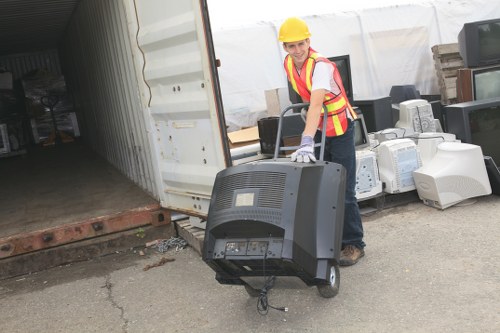 Different commercial rooms create different clearance demands. A stockroom may be full of mixed packaging and shelving, while a back office may mainly contain paper, furniture and electrical items. We can help with the type of room-by-room clearance that removes what has accumulated without turning the rest of the premises upside down. That keeps the job focused on the material present, rather than on a one-size-fits-all estimate of what a business might need.
Where a building has been through a change of use or a partial refurbishment, there may be a need to remove items from several areas in one visit. That might involve workstations, display units, loose fittings or assorted contents that no longer have a place in the current layout. In those cases, a structured plan matters more than speed for its own sake, because the sequence of lifting and loading affects both access and how much tidying is needed afterwards. You can also review home clearance if you are comparing commercial and domestic removal categories on the same site.
If the clearance includes mixed materials, it helps to note anything that should be left alone, such as installed equipment, items still in use or materials requiring a separate route. We can then focus the removal on the intended contents and avoid unnecessary handling. Ask for a quotation once you know the type of room and the main items involved.
Furniture, appliances and heavier items
Some commercial waste is not just bulky, but also awkward to manoeuvre through tight premises. That is especially true for office furniture, metal cabinets, fridges, display units and other heavier items that need a considered approach. We can remove those items as part of a broader waste collection or as a focused clearance, depending on what needs taking away and how the site is arranged.
Heavier items often raise practical questions about breaking down, carrying, protecting surrounding surfaces and deciding what can be moved safely through the available route. The job may be simpler if some pieces are already dismantled, but that is not always necessary. What matters is that the collection is planned around the premises rather than forcing the premises to fit the collection. If appliance-related items are involved, the fridge and appliance removal page gives a clearer idea of that part of the service.
For businesses replacing equipment, this kind of removal can sit alongside furniture disposal so the cleared space is ready for the next stage of use. It is often best to group the items by type before collection so the load can be handled efficiently and any special considerations are easy to identify. Tell us what stays and what goes, and we can shape the quotation around the real work involved.
About Leatherhead
Leatherhead is a town in Surrey, positioned on the River Mole at the edge of the North Downs. Its setting gives it a distinct landscape character, with the river valley meeting rising chalk hills to the south and west. The town developed from an older settlement pattern centred on the crossing and route connections through the Mole gap, and over time it became a place where local trade, coaching and later commuter life all shaped the built environment. That layered history can still be read in the mix of street patterns, surviving older buildings and later redevelopment around the centre. The High Street and nearby streets reflect this combination, with a range of traditional frontages alongside more modern commercial premises. Leatherhead also has a cultural identity linked to the arts, leisure and outdoor access, and it sits close to areas of countryside that are part of the wider Surrey landscape. The River Mole remains one of its defining natural features, while routes towards Box Hill, Fetcham and Bookham place the town within a broader pattern of settlements and green corridors in the district. Local green spaces, civic buildings and transport links all contribute to the way Leatherhead functions as both a town centre and a gateway to nearby villages. The result is a place with a strong practical identity, but also one that is shaped by its topography, its river and its long connection to movement through the area.
Clearance for shops, storage and mixed-use premises
Commercial waste removal is often most useful when a business has items that no longer belong in the space but are not suited to ordinary bin collections. Shops may need old shelving, damaged display pieces or packaging removed; storage areas may need obsolete stock and broken containers cleared; mixed-use premises may need several kinds of waste handled in a single visit. The work is more effective when each category is identified early, because that reduces confusion about what should be carried out and what should remain on site.
For some properties, the key issue is not the quantity of waste but the way it is distributed. A few heavy items in separate rooms can take longer to remove than a larger but tidier pile in one area. That is why a quotation benefits from accurate details about floors, corridors, loading points and whether items are easy to reach. If your site includes a garage-like store area or a general back-of-house space, our garage clearance and flat clearance pages show other clearance categories that may be relevant when comparing available services.
Where possible, keep documentation and confidential materials apart from general waste so they can be dealt with appropriately. That is particularly helpful when a premises move or refurbishment is prompting the clearance, because the remaining items often need sorting into keep, recycle and remove piles. Plan the list first, then request a quotation once the main categories are clear.
Sorting, recycling and responsible disposal routes
 A commercial waste service should do more than lift material away. It should also consider what happens next, especially when the load contains a mixture of paper, furniture, metals, plastics or electrical items. Sorting matters because some items can be separated into more suitable streams, and others may need particular treatment depending on their condition or composition. That practical sorting starts with the load itself, not with assumptions about a single disposal route.
Businesses sometimes accumulate mixed waste during refits, seasonal changes or office reorganisations. In those situations, it can be useful to group items by material before collection, but we can also help with loads that are already mixed. The aim is to keep the removal orderly so potentially reusable or recyclable material is not hidden inside a general pile. For readers interested in our wider approach, see recycling and sustainability alongside the main removal pages.
Not every item belongs in the same stream, and some materials may need separate handling because of their condition or contents. That is one reason commercial waste is best treated as a managed process rather than as a quick clearing exercise. If there are any unusual items in the load, mention them when asking for a quotation so the collection can be planned properly.
Pricing factors and quotation details
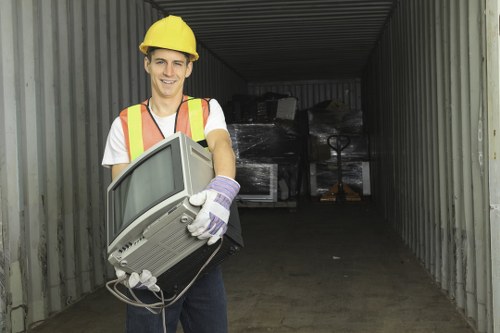 A quotation for commercial waste usually depends on a few practical factors rather than a single headline figure. The type of waste, total amount, access to the premises, the number of items to be lifted and whether anything needs dismantling can all influence the work involved. A clear description of the material makes it easier to reflect the real job, and that is more useful than guessing from a rough category alone.
It can help to note whether the waste is already bagged, whether items are stacked or spread across rooms, and whether collection must fit around trading hours or building access rules. Those details do not need to be overcomplicated. A short, factual summary is usually enough to start. If you are ready to compare service options, the main routes are our waste removal page and the commercial-specific section on business waste removal.
The quotation stage is also the right time to mention any items that should be handled separately, such as appliances, confidential waste or mixed furniture. That allows the scope to stay accurate and helps avoid last-minute changes. One clear list often does more for a precise quote than several loosely described messages.
What to include when you ask for a quotation
When you request a quotation, a little structure makes it easier to match the service to the job. Start with the kind of premises, the main items to remove and whether the waste is concentrated in one area or spread across several. Then add practical notes about loading access, floor level, parking restrictions or any shared entrances. That gives a useful working picture without needing a long explanation.
You do not need to prepare everything perfectly before making contact. A simple inventory, a few photographs and a rough indication of volume are often enough to begin. If there are items that should stay on site, separate those clearly so they are not included by mistake. For direct next steps, contact us or use the online booking route on book online when you are ready to arrange the work.
Commercial waste removal works best when the request is specific. The more the description reflects what is actually on site, the easier it is to organise collection, estimate the labour involved and keep the service aligned with your premises. Send the details that matter, and the quotation can be based on the real job rather than a general assumption.
Support for larger clearances and fitted-out spaces
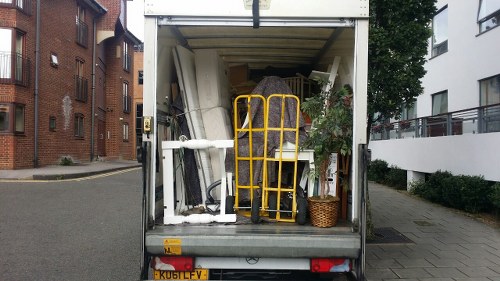 Some commercial jobs are wider in scope than a normal waste collection. A premises may be undergoing a partial strip-out, changing layout, or clearing leftover contents from a former fit-out. In those situations, the task may include loose furnishings, shelving, office contents, fixtures awaiting removal and assorted material gathered from several rooms. The focus is still on safe, practical clearance, but the planning needs to reflect the shape of the building and the order in which rooms are cleared.
Where a project spans more than one type of waste, separating the categories early helps keep control of the job. That can mean distinguishing between furniture, general trade waste, appliances and anything that needs special handling. It is also useful when a business wants to keep certain rooms operational while others are cleared. For additional related information, our builders waste clearance page is relevant where the material includes strip-out or refurbishment debris.
In larger clearances, the value of careful planning is that it reduces handling time later. If the load is already grouped, the team can work through it in a more ordered way, and the site can return to use sooner. If you only have part of the information to hand, that is still enough to begin a quotation conversation.
Confidential and sensitive material considerations
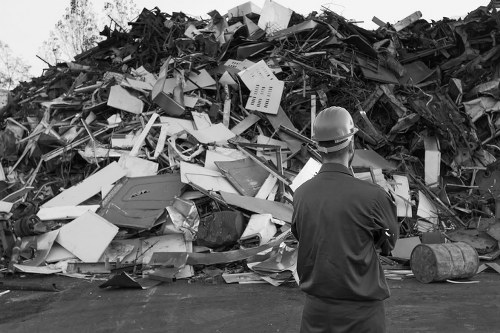 Commercial waste sometimes includes material that should not be mixed with general refuse, even if it appears ordinary at first glance. Paper records, labelled folders, old office files and other sensitive documents may need separate attention from standard rubbish or furniture. The same is true of items that contain data, internal information or components that a business would prefer to remove from circulation carefully rather than casually.
Where sensitive material is part of the job, it is best to identify it clearly at the enquiry stage. That allows the removal to be planned around separation and handling rather than discovering the issue after collection has begun. If the main concern is paperwork, our confidential shredding page may also be relevant, while the broader about us page gives a general overview of the business sections on this site.
Not every commercial clearance will involve sensitive material, but when it does, it deserves the same practical attention as bulky furniture or mixed waste. That keeps the overall job more organised and helps the quotation reflect the actual scope. For the next step, ask for a quotation once you have identified the items that need separate handling.